

8:00 – 9:30 | WEDNESDAY, 8 JULY
LOCATION: WORLD BIOGAS EXPO, NEC BIRMINGHAM, UNITED KINGDOM (EXACT MEETING ROOM TO BE ANNOUNCED)
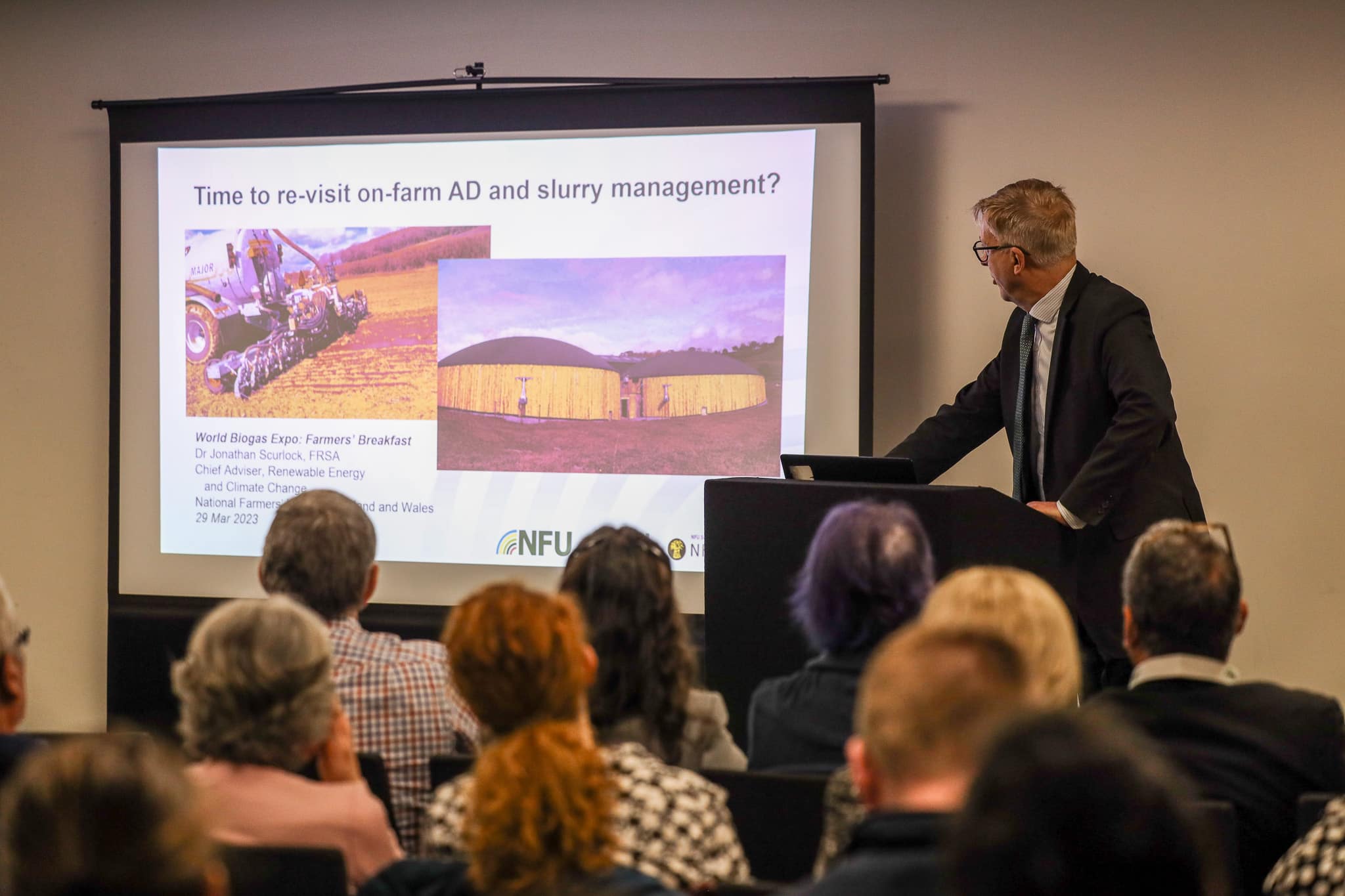
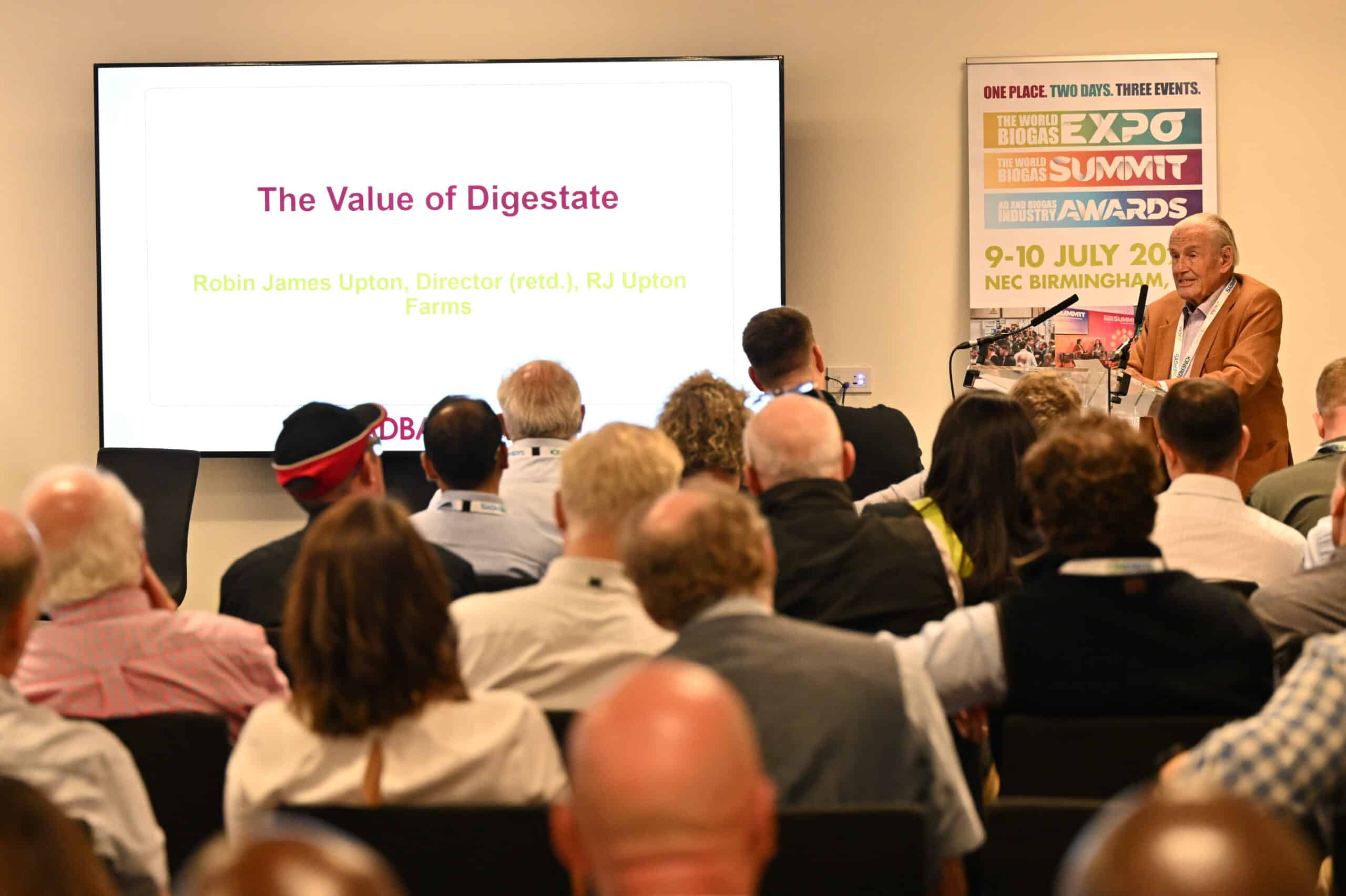
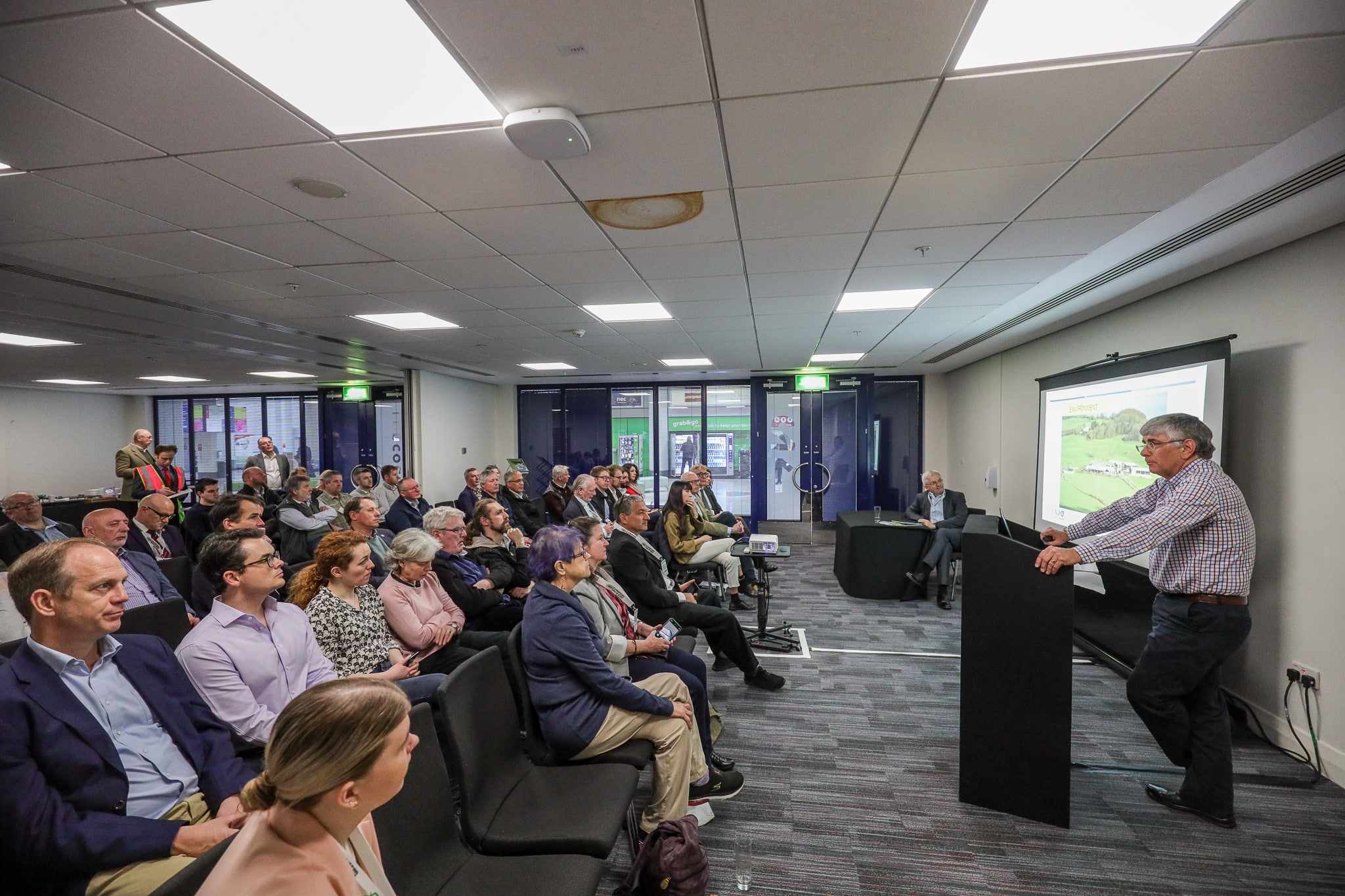
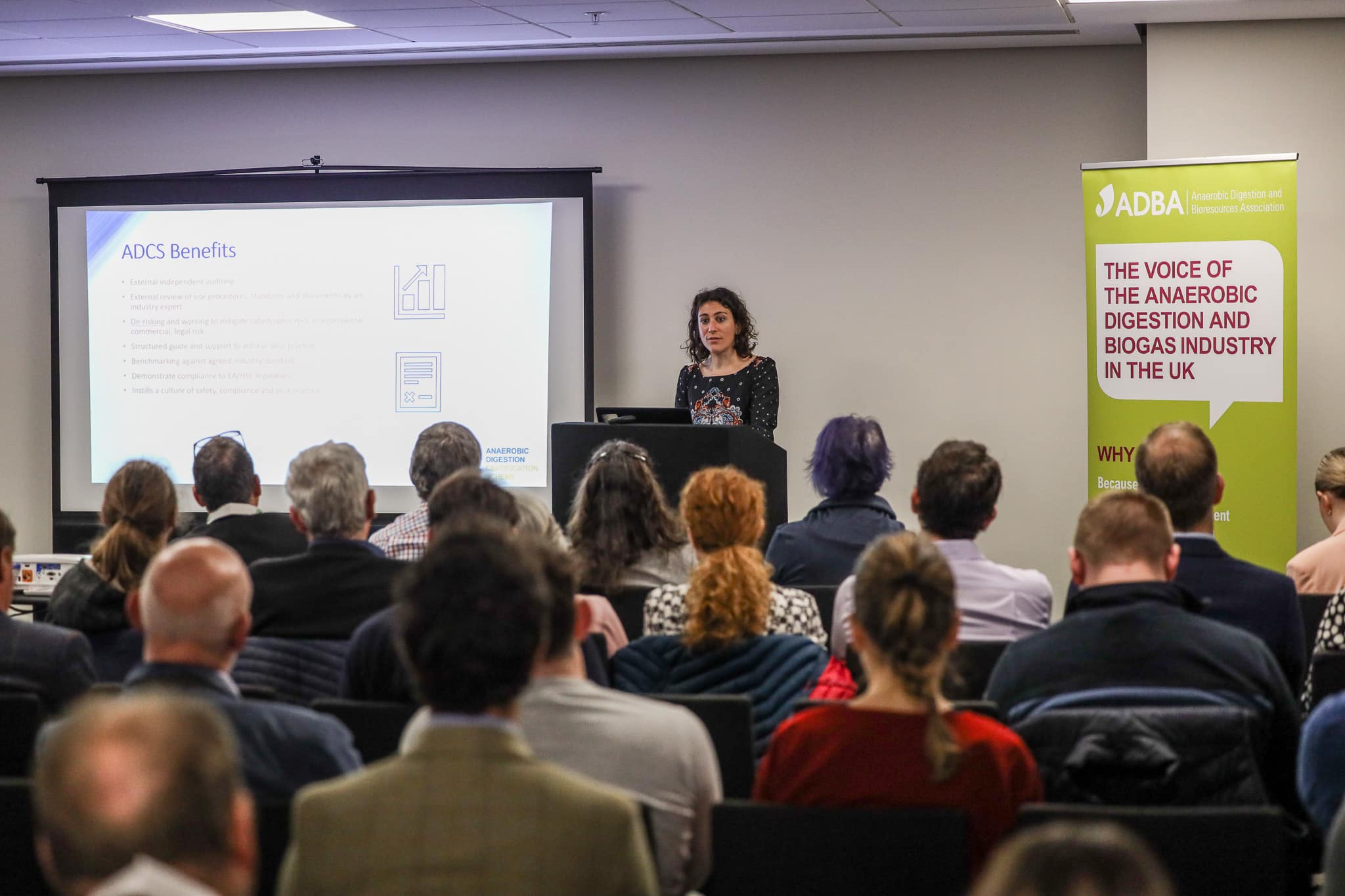
The Farmers’ Breakfast brings together on-farm AD plant operators, farmers using AD co-products such as biofertiliser as well as farmers and landowners interested in developing new AD plants on their land.
Next generation farming
The farm of the future generates free fuel and fertiliser, has rapid access to energy revenue streams and is a regional centre of growth. It could be you. Come to the Farmers’ Breakfast to discover how biogas can revolutionise your farm from those who know best, the early-adopters and facilitators of next generation farming, combining advanced technology and regenerative practices to grow food efficiently.
Programme
08:00 – 08:30
Networking and breakfast
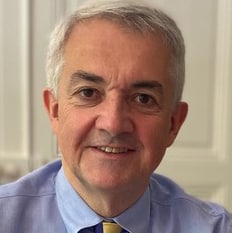
Host: Chris Huhne, Chair, ADBA
Bio: Chris Huhne is the chair of the Anaerobic Digestion and Bioresources Association, the trade association for biogas developers and operators. He was the UK Secretary of State for Energy and Climate Change from 2010-2 responsible for electricity market reform (including contracts for difference), energy company obligation, COP negotiations and the renewable heat incentive. Before politics, he was chief economist and managing director of Fitch ratings in charge of sovereign analysis and an award-winning economic journalist. As a consultant since 2013, he has specialised in dispatchable renewables notably biogas and biomass.
08:30 – 09:00
Presentations
Your energy is worth more
SPONSOR: Ruaridh Young, Senior Partnerships Manager, tem
AD operators have invested the land, the capital, the long-term commitment. They want to know that every electron they produce earns its full value. Ruaridh will provide context on how the current intermediary chain works, how much value is lost within it, and introduce a new commercial route from generator to consumer.
Bio: Ruaridh Young leads partnerships at tem energy, working with our partners and directly with generators to grow the volume of renewable power tem contracts. He joined two years ago and has grown tem’s contracted export volume five times over, from 0.5 to 2.5 TWh. Before tem, he was at Limejump (later acquired by Shell), staying on with Shell for two years after the deal.
tem now partners with 750+ generators powering 5,000+ sites across the UK.
Stop Buying Fuel. Start Making It.
Andrew Parsons, Chief Revenue Officer, Bennamann
AD plants owners can take control of their fuel costs by producing their own renewable biomethane from farm wastes. Andrew will present the on-site fuel technology and commercial opportunity that can insulate farmers against volatile input costs by giving them energy security.
Bio: Andrew leads commercial strategy and market growth for renewable fuel solutions, his philosophy is simple: the customer’s success is the only metric that matters. Moving beyond reliance on traditional subsidies, he partners with anaerobic digestion operators to unlock the high-value revenues of a truly energy independent future driven by BioCNG ‘The locally produced renewable fuel’.
Biogas – the generator for growth, locally and nationally
Henry du Val de Beaulieu, Chairman and Director, Apsley Farms Group Limited
Biogas plants can transform not just individual farms, but whole farming regions. Pioneering Apsley Farms does just that – making cover crops pay for over 35 neighbouring farms and providing bio-fertiliser to over 5,000 acres and directly employing 60 people. Henry will share his experience of profitable break crops and how they reduce weed burden, the benefits of ag-bagging versus clamping and the future of digestate, solid and liquid.
Bio: An early adopter of anaerobic digestion, Henry’s leadership at Apsley Farms exemplifies the integration of traditional farming practices with modern energy solutions, showcasing the potential for agriculture to contribute to environmental sustainability. A compulsive innovator, this is a rare opportunity to hear both the practical and bottom-line benefits of on-farm biogas.
Small AD – big benefits
Richard Gueterbock, Director, Foodchains
Small-scale AD delivers outsized benefits. By converting farm waste (e.g., manure, crop residues, cover crops) into renewable biogas and nutrient-rich bio-fertiliser, small AD plants drastically cut greenhouse gases, stabilise energy costs and improve local soil health without the need for massive infrastructure. Richard will share practical insights on setting up AD systems, overcoming common challenges, and making the numbers stack up for smaller operations.
Bio: Richard has worked across the agri-food sector, in marketing, policy and business development roles. This has included supporting on-site digestion for farm and industrial sites, as part of supply-chain decarbonisation, working with technology suppliers as well as agri-food companies on modular bio-energy systems.
Richard co-edits a series of reports on decarbonisation of agriculture for the Royal Agricultural Society of England (RASE), under the “Farm of the Future” initiative. The latest report is titled ‘Rethinking Farm Buildings’, see www.rase.org.uk/reports. He is also involved in rural bioenergy feedstock mobilisation and rural use of gas fuels, including deployment of hydrogen fuel on farms.
09:00 – 09:30
Q&A

what farmers said
about the World Biogas Expo
“A great event to attend to learn more about the growing industry”
Patrick McGirr, Greengold Farm
This event is now full.
Sponsored by: